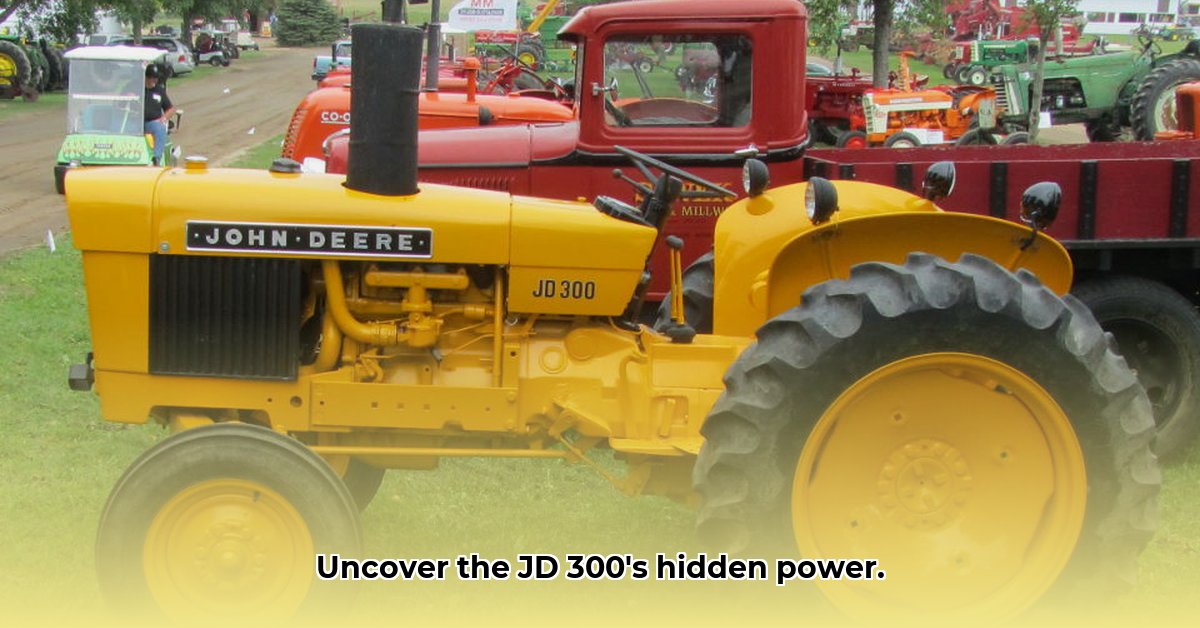
Engine and Powertrain: The Heart of the Machine
The John Deere 300, produced from 1965 to 1973, offered a choice between a robust 2.5-liter diesel engine or a 2.2-liter gasoline engine, both delivering 43 horsepower. While both provided ample power for various farm tasks, key differences existed. The diesel, boasting a significantly higher compression ratio (16.7:1 vs. 7.5:1 for gasoline), likely offered superior fuel efficiency and greater torque – crucial for heavier loads. Power was seamlessly transferred through an 8-speed constant mesh transmission; many models included a power shuttle, simplifying directional changes without clutch use. This feature significantly enhanced ease of operation, particularly during extended fieldwork. Isn't ease of operation a key factor when considering a workhorse machine? For more information on similar tractors, check out this helpful resource.
Operational Prowess and Attachments: Versatility in Action
The JD 300's versatility extended beyond its power. A live PTO (Power Take-Off), accessible at both mid and rear positions, enabled the use of diverse implements at selectable speeds, including hay balers and mowers. However, locating original attachments today presents a significant challenge. Securing compatible implements requires resourcefulness and creativity, given the age of the tractor and the difficulty in finding original or readily compatible modern replacements. While brochures might showcase loaders and backhoes, these are rare finds nowadays. The tractor’s robust design endures, but sourcing modern attachments dramatically limits its versatility.
Maintenance and Repair: Keeping the Old Girl Running
Maintaining a JD 300 requires regular care, akin to maintaining a classic car. Its relatively simple mechanical design makes many repairs manageable for mechanically inclined individuals. However, parts availability is the biggest hurdle. Sourcing replacement parts requires exploring online forums, specialized agricultural parts suppliers, and connecting with other JD 300 owners. You'll need patience and resourcefulness.
Routine Maintenance Checklist:
- Oil Changes: Adhere to the manufacturer's recommended oil type and change intervals for optimal engine health. (This preventative measure significantly increases engine longevity.)
- Filter Replacements: Regularly replace air, fuel, and oil filters to prevent engine inefficiencies and costly repairs. (A clogged filter can severely impact performance.)
- Fluid Level Checks: Regularly check and replenish engine coolant, transmission fluid, and hydraulic fluid. Low levels can lead to catastrophic damage. (Regular checks are a simple preventative measure with high returns.)
- Belt Inspection: Inspect belts for wear and tear; replace damaged belts promptly to prevent breakdowns. (Ignoring worn belts jeopardizes efficient operation.)
- Hose Inspection: Regularly check hoses for cracks or leaks; promptly replace damaged hoses to avoid fluid loss and potential system damage. (Leaking hoses lead to costly repairs down the line.)
Restoration and Collecting: A Rewarding Journey
Restoring a JD 300 is a labor of love. Locating parts demands persistence and resourcefulness: online forums, vintage agricultural parts suppliers, and fellow enthusiasts are invaluable resources. Is the effort worthwhile? The satisfaction of revitalizing a piece of history is immeasurable for many. Collectors appreciate this tractor's unique mechanical features and historical significance, viewing it as more than just machinery. Considering the intricate work involved, how rewarding would the restoration truly be?
Specifications at a Glance
| Feature | Specification | Notes |
|---|---|---|
| Engine (Diesel) | 2.5L, 43 HP @ 2500 RPM | High Compression Ratio (16.7:1) – superior fuel economy and torque. |
| Engine (Gasoline) | 2.2L, 43 HP @ 2500 RPM | Lower Compression Ratio (7.5:1) – likely less efficient and lower torque. |
| Transmission | 8-speed constant mesh, optional power shuttle | Smooth shifting; power shuttle simplifies directional changes. |
| PTO | Live PTO, mid and rear, variable speeds | Drives various implements; considerable versatility. |
| Hydraulic System | Closed-center, multiple valve options | Supports various implements; flow rates varied depending on the option. |
Conclusion
The JD 300, despite its age, remains a remarkable machine. Its robust build and adaptable design were highly valued in its time. While securing parts presents ongoing challenges, the rewards—restoration or acquiring a piece of agricultural heritage—make it a worthwhile endeavor. It stands as a testament to the ingenuity and craftsmanship of its era. Do you possess the dedication required to restore this vintage treasure?